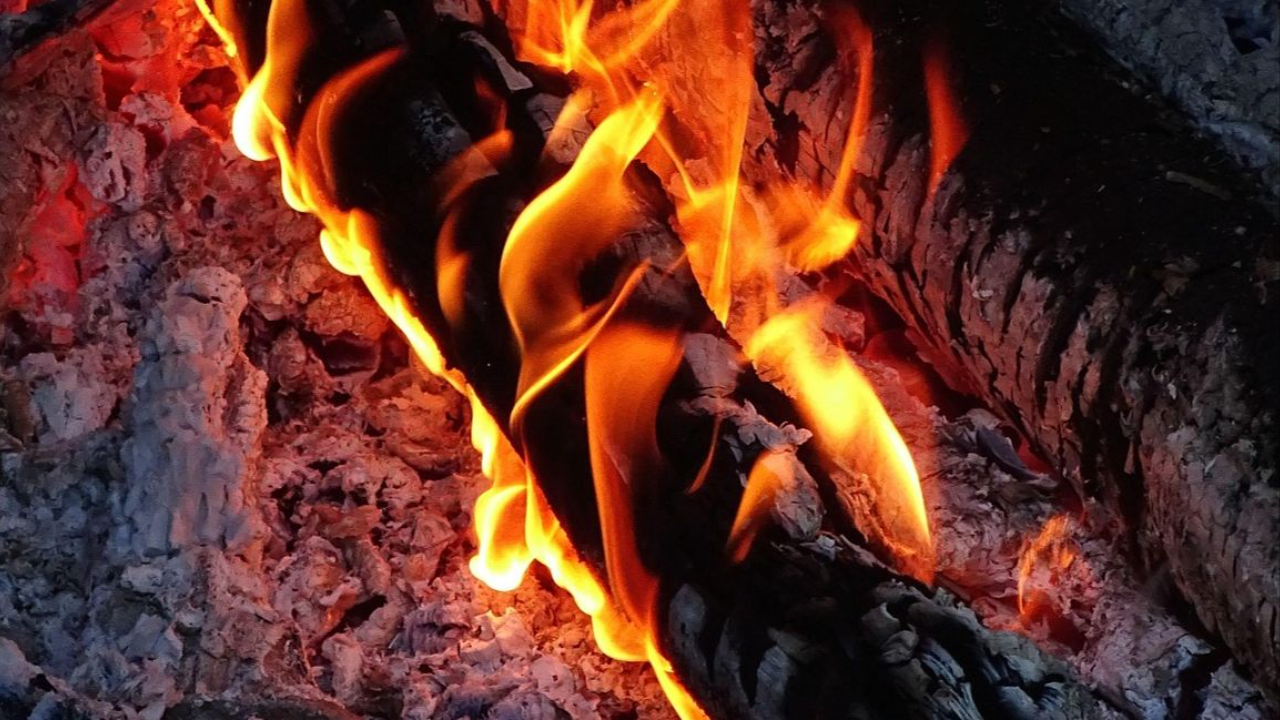
Tending the Embers: How to Recognize, Rekindle, and Carry the Fire of God
There is a sacred rhythm to the way God moves in our lives. Sometimes He comes as a blazing wildfire—powerful, unmistakable, impossible to ignore—drawing us into radical transformation. Other times He comes quietly, like a soft glow beneath the ashes. A warmth we can feel but cannot yet name. A faint spark that whispers, “I’m not done with you. Stay close.”
These glowing remnants of spiritual fire are embers—and understanding them may be one of the most important parts of your spiritual growth.
Many believers panic when their spiritual passion shifts from wildfire to ember. They fear the flame is dying, that they’ve done something wrong, or that God has withdrawn. But the truth is far more comforting:
God often does some of His greatest work in ember seasons.
These quiet, steady, hidden moments of low fire are invitations into deeper maturity, purification, and preparation. Embers are not evidence that something is wrong—they are evidence that something is still wonderfully alive.
In this blog, we’re going to explore:
-
What the Bible teaches about embers
-
Why God allows our fire to settle into embers
-
How to recognize when you’re in an ember season
-
How to tend these embers with wisdom and intentionality
-
What to do when the fire of God ignites again in your life
If you’re in a season where your passion feels smaller, your fire feels quieter, or your connection feels like a slow burn instead of a blazing flame, this is for you.
What the Bible Says About Embers and Spiritual Fire
While many English translations rarely use the exact word embers, Scripture speaks frequently of glowing coals, smoldering wicks, and fire that continues even when flames die down. These images are powerful metaphors for spiritual life.
A Smoldering Wick Is Not a Dead Wick
One of the most comforting passages in the entire Bible comes from Isaiah:
“A bruised reed He will not break,
and a smoldering wick He will not snuff out.” — Isaiah 42:3
A smoldering wick—essentially an ember—is fragile but alive.
It’s not blazing, but it’s still burning.
It’s not impressive, but it’s still powerful.
God does not extinguish small beginnings, weak flames, or quiet seasons. He protects them.
Jesus Himself used this same verse in Matthew 12:20 to describe His own heart toward His people. He does not despise your ember—He tends it.
Scripture Also Ties Embers to God’s Presence and Purification
-
Isaiah 6:6–7 — A burning coal (an ember) touches Isaiah’s lips and purifies him.
-
Ezekiel 1:13 — God’s glory is described like burning coals.
-
Leviticus 6:12–13 — The fire on the altar must never go out; even the embers are sacred.
-
Luke 24:32 — The disciples felt their hearts “burn within” while Jesus spoke.
Throughout the Bible, embers symbolize:
-
God’s ongoing work
-
Revival waiting to rise
-
Purification
-
Calling
-
Hidden fire
-
Renewal
-
Holy potential
These aren’t weak moments—they’re sacred moments.
Why God Allows the Flame to Become Embers
We often assume spiritual fire should always be loud and dramatic. But God knows that constant wildfire would destroy us. Wildfire seasons ignite passion, but ember seasons stabilize it.
Here’s why God allows the flame to quiet down:
Embers Build Rootedness, Not Hype
Wildfire seasons are exciting, but they can be unsustainable long-term. Ember seasons root you in:
-
depth
-
quiet strength
-
emotional stability
-
endurance
-
consistency
God is not only interested in igniting you—He is committed to forming you.
Embers Prepare You for What’s Coming
Before God brings a new season of power, He often brings a season of quiet. Embers serve as preparation ground.
In the ember season, God often:
-
heals hidden wounds
-
restructures your foundations
-
strengthens your identity
-
reorders your priorities
-
teaches you to hear His voice in stillness
This season is not a setback—it’s a setup.
Embers Teach You How to Tend What God Gives
In Leviticus 6, God tells the priests to keep the altar fire burning continuously—even when the flames drop low.
This means:
-
tending
-
protecting
-
fueling
-
stewarding
-
remaining consistent
Learning to steward an ember is often what prepares you to carry a movement of fire.
How to Know When You’re in an Ember Season
Many Christians misdiagnose this season as spiritual decline or emotional failure. But the symptoms of an ember season are unique and deeply spiritual.
You may be in an ember season if:
-
You sense God’s presence in subtle ways
-
You feel pulled toward rest, simplicity, and reflection
-
Your spiritual hunger is present
-
You feel in transition
-
You sense God working beneath the surface
You’re not losing your fire. You’re learning its deeper rhythm.
How to Tend the Embers God Has Placed in Your Life
Embers do not reignite on accident. They grow because someone tends them. When it comes to spiritual fire, God breathes—but you steward.
Here are seven biblical ways to tend your spiritual embers:
1. Protect the Ember (Your Environment Matters)
Just as wind, debris, or neglect can put out a fire, your environment affects your spiritual flame.
Protect your ember from:
-
negativity
-
spiritual clutter
-
distraction
-
toxic influences
-
overwhelm
-
busyness
The ember needs shelter before it can become fire.
2. Clear Away the Ashes (Let God Remove What’s Old)
Ashes represent the remains of what once burned.
Spiritually, ashes can be:
-
old wounds
-
old behaviors
-
old beliefs
-
old commitments
-
old busyness
-
old expectations
Before God ignites new fire, He often asks you to let go of what’s taking up space.
Clearing ashes makes room for fresh breath.
3. Stay Near the Heat (Community Rekindles Fire)
An ember alone grows cold.
An ember among other embers becomes fire.
This is why Scripture emphasizes:
-
gathering
-
connection
-
fellowship
-
worship
-
mutual encouragement
Stay near believers who burn for God.
Their fire strengthens yours.
4. Add Fresh Fuel (You Cannot Burn on Yesterday’s Oil)
Fresh fuel looks like:
-
new Scripture
-
new worship
-
new encounters
-
new obedience
-
new surrender
Embers starve without fresh fuel.
God is calling you to eat again, drink again, seek again—even if slowly.
5. Invite the Breath of God (Ask the Holy Spirit to Rekindle the Flame)
In Hebrew and Greek, the word for “Spirit” means breath or wind. Embers ignite when breath is applied.
A simple prayer can transform everything:
“Holy Spirit, breathe on the embers inside me and reignite what You planted there.”
This breath brings clarity, passion, direction, and power.
6. Rest Without Abandoning the Flame
Rest is not the opposite of fire—it is the soil that feeds it.
God often does deep work through:
-
quiet
-
slowness
-
reflection
-
stillness
Your spirit can stay warm even when your body rests.
7. Stay Faithful in the Quiet (Consistency Builds Capacity)
Embers often require small, repeated acts of stewardship:
-
five minutes of Scripture
-
a quiet walk
-
a whispered prayer
-
choosing gratitude
-
choosing obedience
-
remembering God’s promises
-
choosing gentleness
Small habits sustain the ember.
Consistency allows it to grow.
What to Do When the Fire of God Ignites Again
When God breathes on your embers and the flame returns, Scripture shows three powerful responses.
Carry the Fire (Your Calling Becomes Clearer)
Jesus said:
“You are the light of the world.” — Matthew 5:14
When your fire returns, you will naturally shine.
You will:
-
speak with boldness
-
love with passion
-
pray with authority
-
walk with clarity
-
serve with joy
-
lead with confidence
The fire of God is meant to move through you, not just in you.
Let the Fire Purify (He Burns Away What Doesn’t Belong)
God’s fire is not only for power—it is for purification.
As Malachi 3:3 says:
“He will sit as a refiner and purifier of silver.”
When the fire returns, so does refining.
You may notice:
-
old habits breaking
-
new levels of forgiveness
-
greater self-control
-
deeper healing
-
sharper discernment
-
freedom from generational patterns
The fire doesn’t destroy you; it restores you.
Ignite Others (Fire Spreads by Proximity)
One of the greatest purposes of the fire of God is this:
Fire spreads.
Your flame can awaken the flame in someone else.
This happens when you:
-
encourage
-
teach
-
love
-
testify
-
pray
-
mentor
-
serve
Your fire becomes a catalyst for revival in others.
God Is Tending Your Ember Right Now
You may not feel like a roaring flame today.
You may feel like a quiet, flickering ember.
But hear this truth from heaven:
You are not forgotten.
You are not diminishing.
You are not failing.
You are being formed.
God is tending your ember with more care than you can imagine.
He sees it.
He values it.
He is breathing on it.
He is preparing it for fire.
Your ember is holy.
Your ember is alive.
Your ember is becoming flame.
Stay with Him.
Tend what He’s given you.
Prepare for what’s coming.
The fire of God is rising.
If this stirred something in you and you’re ready for deeper spiritual renewal, consider exploring:
-
Prayer Power coaching
-
Generational healing work
-
Echoes of Eden reflective exercises
-
Biblically-based emotional healing resources
Your ember matters.
Let’s tend it together.