Anxiety Life Coaching: Effective Anxiety Management for Professionals
Anxiety is no stranger to today’s fast-paced, high-pressure work environments. Professionals are more vulnerable than ever to anxiety and chronic stress thanks to managing endless emails and deadlines, navigating career uncertainty, and workplace politics. If you've found yourself struggling to sleep, feeling overwhelmed without cause, or battling a constant sense of dread, you're not alone—and help is available.
More and more professionals are turning to anxiety life coaches for support. Unlike therapy, which often focuses on diagnosing and treating mental illness, life coaching focuses on the here and now, helping individuals identify patterns, set goals, and build practical strategies for change. A life coach trained in anxiety management can help guide you toward greater peace and productivity, especially if you’re experiencing mild stress or full-blown anxiety attacks.
If you're unsure whether what you're feeling qualifies as an anxiety episode, resources like How to Know You Have Anxiety Attacks: Prayer Guide Christian can help you gain spiritual clarity while assessing your emotional state. Likewise, for faith-based professionals, learning the 5 Biblical Ways to Overcome Anxiety: Life Coaching approach can be a powerful tool for building peace through both prayer and practical action.
Can a Life Coach Help with Anxiety?
The short answer is absolutely—if they specialize in anxiety coaching. While life coaches are not licensed mental health professionals, many are trained in stress management techniques, emotional resilience, and behavior change strategies that support mental health. An anxiety life coach provides tools that empower you to move forward with clarity and confidence, rather than remaining stuck in worry or fear.
A coach’s job isn’t to diagnose you, but to help you identify what's triggering your anxiety and guide you through proven methods to take back control. This approach is particularly powerful for professionals who are high-functioning but silently suffering.
How a Life Coach Can Assist with Anxiety
A mental wellness coach or anxiety life coach offers various forms of support. Their guidance is tailored to your lifestyle, emotional needs, and goals. Below are just a few of the ways they can help:
1. Understanding Your Triggers
Many professionals are unaware of what’s fueling their stress. A coach helps you identify root causes—whether it's perfectionism, fear of failure, impostor syndrome, or toxic work dynamics.
2. Creating Practical Routines
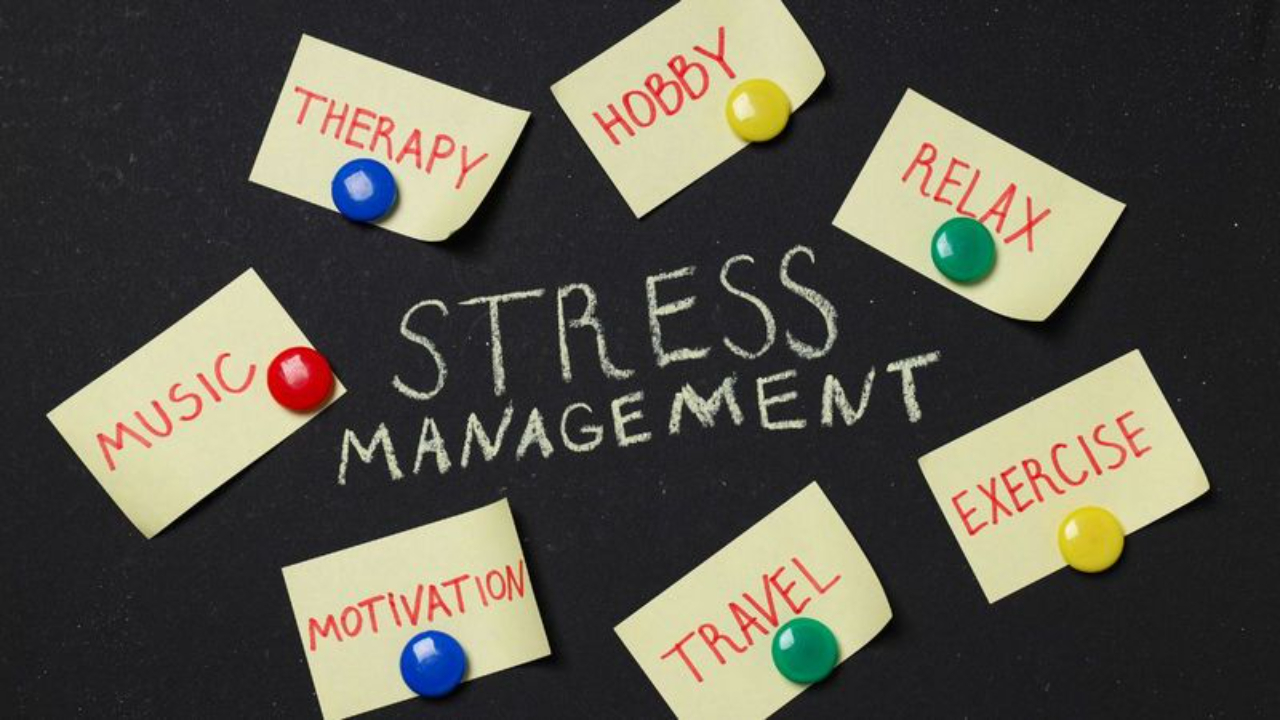
Through stress management coaching, you’ll learn to structure your day in a way that promotes mental strength, balance, and productivity. This includes time-blocking, saying no with confidence, and scheduling intentional rest.
3. Developing Mindfulness and Self-Awareness
Mindfulness is more than meditation. It’s the ability to notice your thoughts without being ruled by them. Coaches use mindfulness techniques to help you recognize anxious patterns and pivot before spiraling.
4. Fostering Accountability
Self-help books can be useful, but without accountability, it’s easy to revert to old habits. A coach ensures you're consistently applying what you learn, celebrating wins, and adjusting when needed.
5. Incorporating Holistic Anxiety Support
Beyond breathing techniques and journaling, anxiety life coaches often encourage self-care, nutritional awareness, and physical wellness—all of which significantly impact your emotional state.
How to Coach Someone Through Anxiety
If you’re in a leadership or mentoring role, you may wonder how to support someone who’s experiencing anxiety. Here are a few guidelines:
- Listen actively and without judgment. Sometimes, simply being heard helps ease the burden.
- Encourage small wins. Help them set micro-goals and celebrate progress.
- Model healthy behavior. Share your own self-care routines and boundaries.
- Refer to resources. If anxiety seems intense or prolonged, gently suggest an anxiety quiz test or professional support.
- Practice empathy. Remind them that anxiety isn’t a weakness—it’s a signal that something needs attention.
How Do You Teach Anxiety Management?
Teaching anxiety management is less about delivering a lecture and more about offering tools for self-regulation. Coaches guide clients through frameworks such as:
- The STOP Method (Stop, Take a breath, Observe, Proceed)
- Cognitive reframing, which shifts negative thought patterns
- Grounding exercises, like the 5-4-3-2-1 technique
- Progressive muscle relaxation
- Vision-based goal setting, which replaces fear with focus
A good coach tailors these methods with sensitivity and care. They consider the client’s unique personality, everyday environment, and, when relevant, spiritual beliefs. This personalized approach ensures the strategies are both practical and meaningful.
How to Build Emotional Resilience
Emotional resilience is your ability to bounce back from setbacks, adapt to change, and manage stress in a healthy way. Anxiety coaching focuses heavily on building this inner strength through:
- Positive self-talk and affirmations
- Daily reflection or prayer rituals
- Healthy boundaries with people and digital devices
- Reframing failure as feedback, not personal defeat
- Mind-body awareness, recognizing when your body is signaling burnout
Building emotional resilience isn’t just about "toughening up"—it’s about developing habits and perspectives that make you more flexible and less reactive.
Why Professionals Need Specialized Coaching
Professionals face unique stressors that can go unaddressed in traditional mental health models. Coaching offers tailored, results-driven support that helps professionals:
- Avoid burnout
- Make confident decisions
- Reduce perfectionism
- Improve work-life balance
- Build leadership capacity
Most importantly, it helps high-achievers remember they are human. When you’re juggling career goals and personal responsibilities, holistic anxiety support becomes not just beneficial, but essential.
Ready to Take the First Step?
If you're not sure where you stand, try taking an anxiety quiz test to assess your current level of stress and emotional well-being. It's a great starting point for anyone considering life coaching or simply wanting more clarity.
From there, explore whether working with a mental wellness coach is right for you. The journey to healing begins not with fixing, but with understanding, and a good coach can help light the way.
Final Thoughts
Anxiety doesn’t have to derail your career, relationships, or sense of self. With the right support—faith-based, professional, and personal—you can build the skills needed to face challenges head-on. A certified anxiety life coach can walk alongside you as you create sustainable habits, boost your emotional resilience, and rediscover peace of mind.
Let go of the myth that high-achievers have to handle everything alone. You don’t need to wait for a breakdown before you seek a breakthrough.
Are you ready to start building a stronger, calmer version of yourself?